

The short answer
Before you pay, know who you are paying, what the money will buy, and when the work will start. Keep the agreed work list, payment plan and receipt. A promise on a call is not enough.
1. Check who will do the work
Save the person’s full name, business name, address and phone number. Ask who will be on site and who will solve problems. The person who gives the quote may not be the person doing the work.
Ask to see a similar finished job. With the owner’s consent, ask if the team came back to fix small problems. A photo album alone does not tell you that.
If the business gives you a GSTIN, you can check its name and status on the GST portal. A GST registration is a business check. It is not proof of good work.
Further reading: GST portal: Search Taxpayer guide
2. Get a clear written quote
The quote should say what will be made or fixed, what materials will be used, the price and the planned dates. Get more than one quote for the same work. Ask why a price is much lower or higher.
Keep one agreed version. If you change a cabinet size or tile choice, update that version before the team orders it.
- Room names, item sizes and the number of units.
- Material brands, thickness, finish and fitting models.
- Labour, delivery, waste removal and taxes.
- Items you will buy yourself.
- What is excluded, and how extra work will be priced.
Further reading: FTC: checks before hiring a home improvement contractor
3. Ask what the advance will pay for
An advance may help buy agreed materials or book the team. Ask for the list and amount. There is no single advance percentage that is right for every home.
A custom order may need money before it is made. A small repair may need a different plan. The amount should make sense for the job and the items being ordered.
Do not pay the whole project price at the start. If the amount is large, ask whether a planned material payment can go straight to the named supplier. Agree who owns the material, where it will be kept and how it will reach your home.

4. Tie each payment to a clear stage
Avoid a plan that only says “pay every week”. Use stages you can see and check. Agree the amounts before work begins. Here is a simple example, not a fixed payment rule.
| Stage | Check before the agreed payment |
|---|---|
| Ready to start | Final work list, materials, start date and advance receipt. |
| Materials arrive | The agreed items, quantities and condition. |
| Work reaches a set stage | The listed work is done and checked. |
| Handover | Final checks, bills, warranty papers and a list of any small fixes. |
Write down how you will handle delays, cancelled orders, leftover materials and any unfinished items. Agree how the final payment and pending fixes will be handled.
5. Keep proof of each payment
For UPI or bank transfer, check the name of the person or business getting the money before sending. Confirm any change in payment details by calling the contact you already know.
Save the payment record and ask for a receipt linked to your project. If you pay cash, get a signed receipt with the date, amount, purpose and remaining balance.
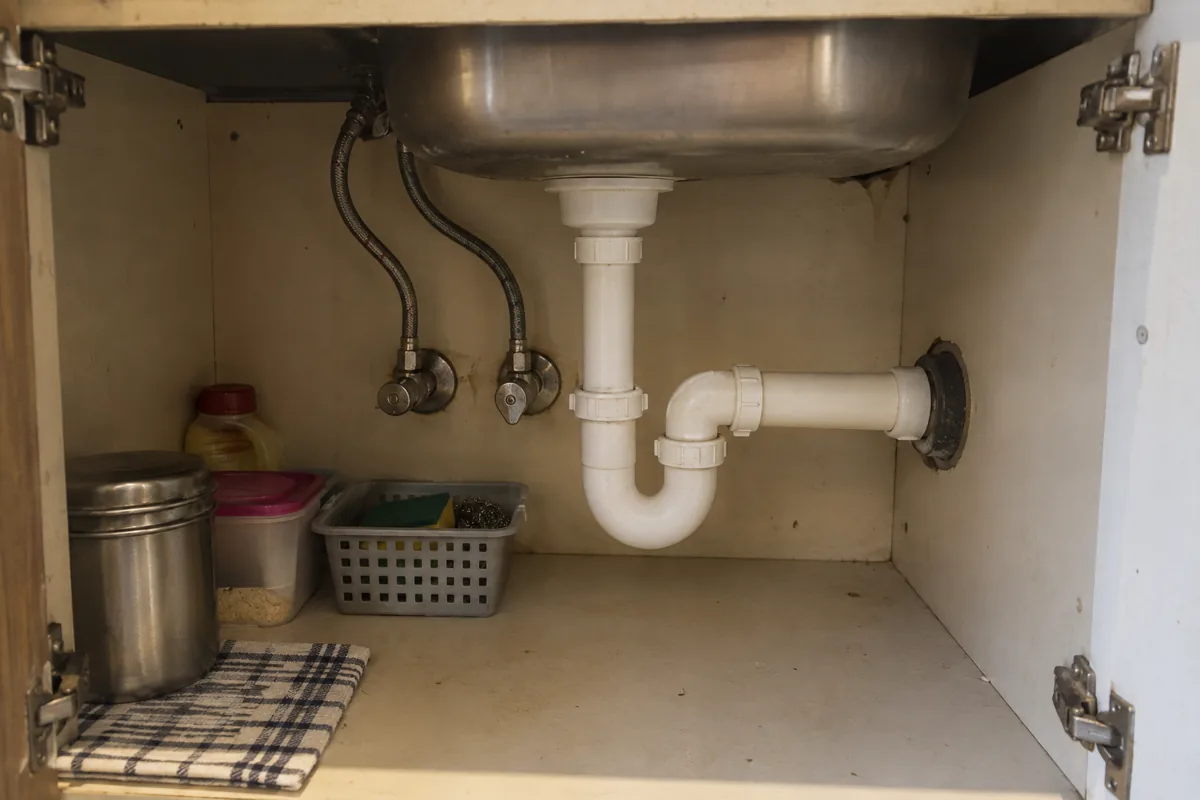
Keep photos of work that will later be covered, such as pipes before tiling. Ask the person doing the work to record the checks too. A photo is useful, but does not replace a proper test.
Pause if the answers are not clear
Be careful if someone pushes for immediate payment, will not list materials, avoids receipts, or asks for most of the money before a clear start plan. A low price does not fix those problems.
For a large job, get the agreement checked by a local legal adviser if you are unsure about the terms. Do this before paying, not after a disagreement.
You can send this simple message: “Please share the final work list, total price, first material order, start date and payment stages. I will check these before sending the advance.”
A good payment plan should help both sides: the team can plan the work, and you know what each payment is for.
Sources & useful reading
Checked on 28 September 2026. Shop prices, stock and product terms can change.
- GST portal: Search Taxpayer guide
- FTC: checks before hiring a home improvement contractor
Used for general checks such as written estimates and avoiding full upfront payment. Its US legal rules do not apply to India.
 SEEN A LOOK YOU LOVE?